
Product Description:
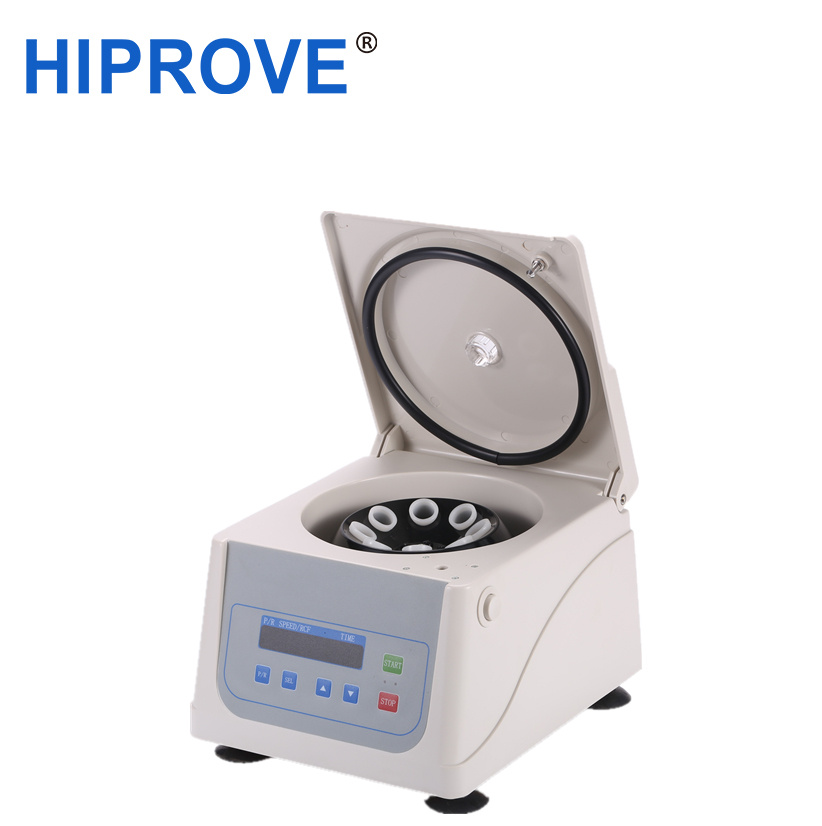
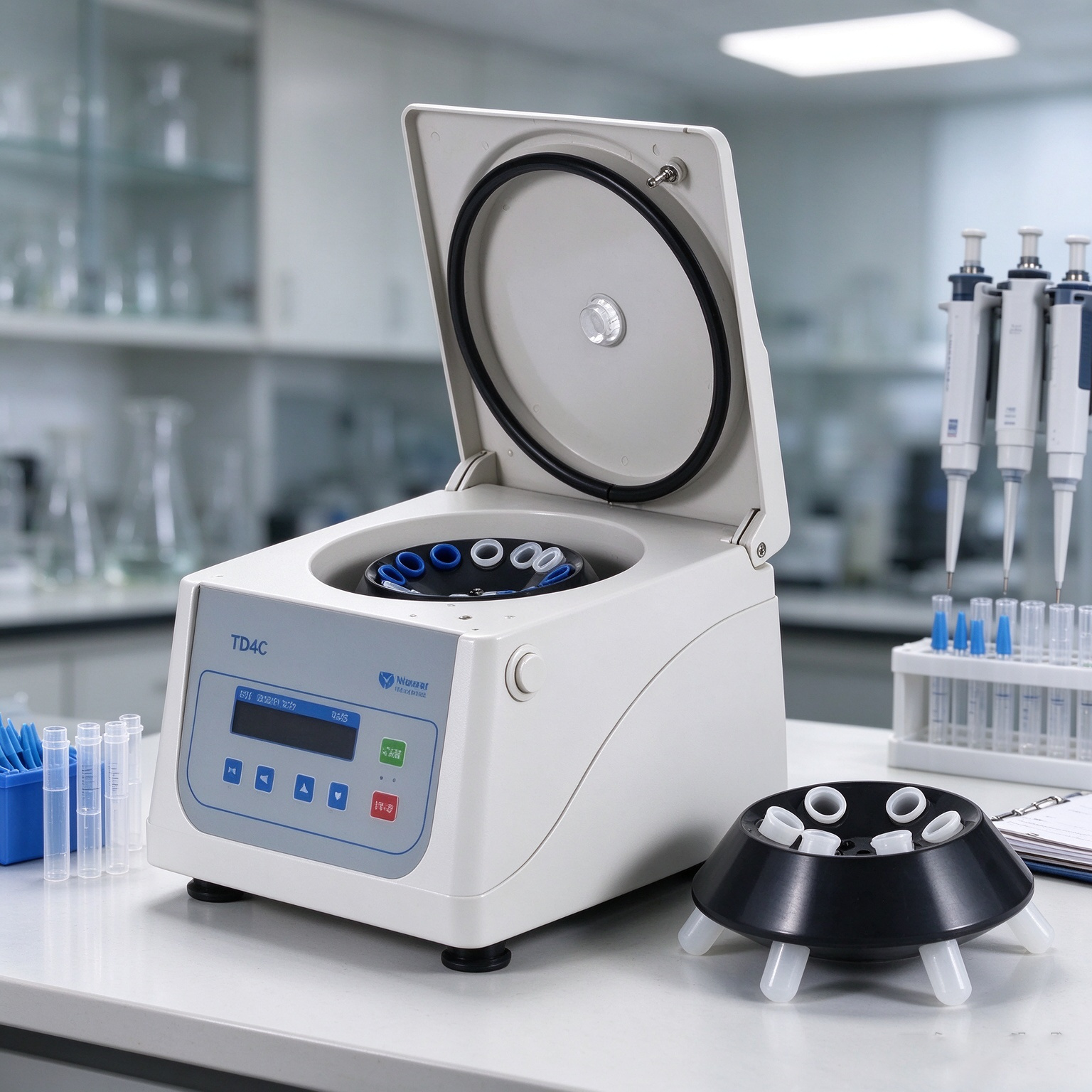
TD4C Low-Speed Benchtop Centrifuge (PRP/PRF, 4000 rpm, 1880×g, 8×20 ml Angle Rotor)
This is a low-speed benchtop centrifuge for laboratories and aesthetic-medicine practices. A spinning rotor generates centrifugal force that separates liquid samples by density, making it suitable for PRP/PRF preparation and the separation of blood, serum, urine and plasma. A white benchtop body with a digital control panel and a lift-up lid, a maximum speed of 4000 rpm, a maximum RCF of 1880×g, a 1-99 min timer and an 8×20 ml angle rotor, fits routine use in hospital clinical labs, clinics, blood stations, university laboratories and aesthetic-medicine practices.
Product Highlights:
· Factory Direct Supply: supplied directly by HIPROVE, a laboratory-equipment manufacturer, with stable availability for importers, distributors and lab-equipment channels placing bulk and repeat orders;
· Clearly Identified Model: the nameplate on the body and the key attributes both read TD4C, so enquiries, customs paperwork, after-sales service and spare parts all map to one unambiguous model — avoiding confusion with the other centrifuge models in the range;
· 4000 rpm / 1880×g Low-Speed Separation: maximum speed 4000 rpm, maximum relative centrifugal force 1880×g and speed accuracy ±10 rpm cover routine low-speed work such as PRP/PRF preparation and serum or plasma separation, with gentler handling of shear-sensitive components;
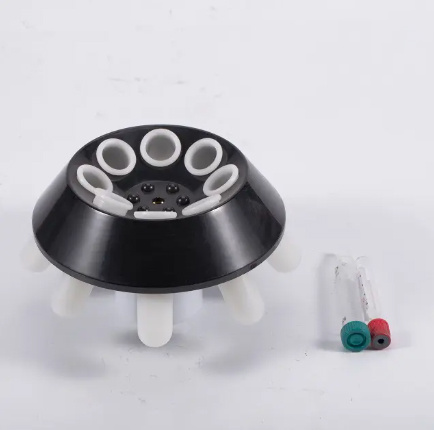
· 8×20 ml Angle Rotor: accepts eight 20 ml tubes per run, fitting PRP/PRF collection tubes and routine sample tubes, so one unit covers multiple sample workflows;
· 1-99 Minute Timer: the run time can be set freely within 1-99 minutes, with parameters read directly on the digital panel;
· Low Noise, Wide Voltage Input: noise ≤55 dBA and AC 110/220V, 50/60 Hz supply suit different country and regional grids, easing distribution across export markets;
· Compact and Lightweight: 300×265×200 mm footprint and 7.5 kg net weight take little bench space, easy to place in laboratories, clinics and aesthetic practices or to run alongside other units;
· Broad Application: covers clinical labs, disease control, universities and blood stations, plus dental, orthopaedic and aesthetic PRP/PRF workflows — a versatile unit for distribution channels;
· OEM/ODM Support: private labelling, colour and configuration options available for regional distributors building their own brand;
· Flexible Ordering, Export Ready: a minimum order quantity of 1 set supports samples, demonstration units and small trial orders; standard export packaging for long-distance shipment, with stable lead times and after-sales coordination for overseas buyers.
Working Principle:
A motor spins the rotor about its axis; components in the sample tube sediment and layer according to density and particle size in the centrifugal field, with denser fractions collecting at the tube bottom so the supernatant and layer interfaces can be drawn off as needed. Low-speed centrifugation controls speed and run time to limit excessive shear on cells and proteins, which suits PRP/PRF and serum or plasma preparation. Speed and time are set on the digital panel, and a balanced load with the correct rotor keeps the run smooth.
Operation Summary:
1. Place the unit on a stable, level bench, confirm the supply voltage matches the nameplate, and check the rotor is seated with no loose objects in the chamber;
2. Load tubes into the matching rotor positions, balance them symmetrically (equal mass and volume), and close tube caps and the lid securely;
3. Set speed and run time on the digital panel, staying within 4000 rpm and the rotor limits, then start;
4. Do not move the unit or open the lid during a run; wait until the rotor has stopped completely before opening and aspirating the target fraction;
5. After use, remove and clean the rotor, wipe the chamber dry, and record the run.
Packaging & Shipping:
Standard export packaging suitable for long-distance shipment; carton dimensions, gross/net weight and delivery time are confirmed per order.
Important Notes:
1. Balance loads symmetrically for every run; never exceed 4000 rpm or rated capacity, and never start with an unsecured rotor or an open lid;
2. Use only consumables matched to the 8×20 ml rotor and rated for the selected speed; PRP/PRF preparation must follow standard procedures and be performed by trained personnel;
3. Stop immediately if unusual vibration or noise occurs, and resume only after the fault is cleared;
4. Keep the rotor and chamber clean and dry, prevent corrosive liquids or dust entering the housing, and service the unit as directed in the manual;
5. This instrument is for sample preparation; separation results must be interpreted by trained personnel together with the reagents and workflow, and are not a stand-alone diagnostic result.
Tel : +86 532 8281 2277
alt : +86 186 5320 8877
inquiry@allpro.com.cn business@allpro.com.cn
Floor 17, Building 2, No.88 Zhuzhou Road,Laoshan District, Qingdao, China